If your home can handle winter, it can handle just about anything. Cold weather pushes every part of your house harder than any other season.
Heating systems work overtime, moisture finds new ways in, and small gaps suddenly matter. Winter doesn’t give your home a break, and it doesn’t hide weaknesses either. It brings them front and center.
Many homeowners don’t realize how much winter impacts their home until something stops working. Knowing why this season is the true test helps you spot problems early and protect your home when conditions are toughest.
Why Does Winter Weather Cause More Stress on Homes Than Other Seasons?
The biggest difference between winter and other seasons is duration. Summer heat waves eventually break. Spring storms come and go. Winter cold tends to linger, especially during long cold snaps.
When outdoor temperatures remain low for extended periods, your home is under constant strain. Heating systems work overtime just to maintain a livable indoor temperature. Warm air is always trying to escape, while cold air is constantly looking for a way in.
That constant push and pull creates stress in places homeowners don’t always think about.
Cold weather also changes how homes are used. Doors stay closed more often. Windows remain sealed for months. Indoor air circulates less. Moisture has fewer ways to escape. All of this creates an environment where small issues can grow quietly.
Another factor is reliance. During winter, comfort and safety depend heavily on a single system. When heating becomes non-negotiable, any disruption feels immediate and serious.
Winter stress builds slowly, which makes it dangerous. Problems don’t always show up as obvious failures. They show up as subtle changes that are easy to ignore until they become impossible to overlook.
What Parts of a Home are Most Affected By Extreme Winter Conditions?
Not every part of a home reacts to winter in the same way. Some areas are naturally more vulnerable because of their location, exposure, or function.
The most affected areas often include:
Heating systems
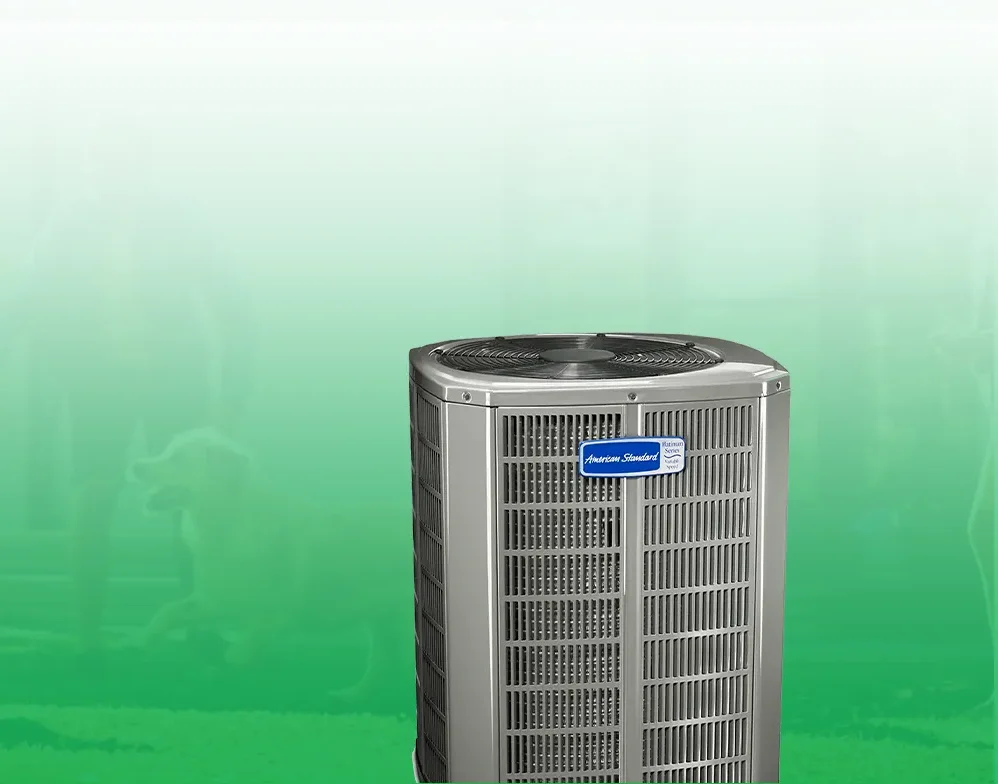
Furnaces, heat pumps, and boilers carry the bulk of winter demand. Long run times increase wear, reduce efficiency, and leave little room for error.
Plumbing systems
Pipes in exterior walls, basements, crawl spaces, and attics are especially at risk. When temperatures drop, water inside pipes can freeze, expand, and cause cracks or bursts.
Windows and doors
Cold causes frames to contract and seals to weaken. Drafts become more noticeable, and condensation can form on glass and frames.
Attics and insulation
Heat escaping into the attic creates uneven temperatures that can lead to moisture buildup, ice dams, and insulation degradation.
Roofs and gutters
Snow accumulation combined with heat loss leads to ice dams that trap water and force it into places it shouldn’t go.
Electrical systems
Increased use of space heaters and backup heating devices can strain circuits, especially in older homes.
What makes winter challenging is how interconnected these systems are. A drafty window forces the heating system to work harder. A struggling heating system increases the risk of frozen pipes. One issue often triggers another.
How Can Prolonged Cold Temperatures Impact the Structure of a House?
Cold weather doesn’t just affect systems that move air or water. It affects the bones of the house itself.
Materials respond to temperature whether we notice it or not. Wood contracts. Metal tightens. Concrete reacts to moisture and freezing conditions. Over time, these changes create stress points throughout the structure.
Prolonged cold can lead to:
- Hairline cracks forming in drywall or plaster
- Gaps appearing around trim, doors, and windows
- Slight shifts in framing that affect alignment
- Foundation movement caused by freeze-thaw soil cycles
Moisture makes these issues worse. When water enters tiny cracks and freezes, it expands. That expansion widens the crack, allowing more moisture in during the next thaw. It’s a slow process, but winter gives it plenty of opportunities to repeat.
Attics are particularly vulnerable during prolonged cold. Warm air rising from the living space meets cold roof surfaces, creating condensation. Over time, this moisture can damage insulation, wood framing, and roof decking.
These structural changes often go unnoticed until warmer weather returns and symptoms become visible. By then, the damage may already be done.
Why Do Heating Demands Increase the Risk of Home Damage During Winter
Heating systems are designed to keep homes comfortable, but during winter they also become a critical line of defense against damage.
When heating demand spikes, the margin for error shrinks.
Here’s why increased heating demand raises the risk of home damage:
Continuous operation
Heating systems run longer cycles with fewer breaks. This accelerates wear on components and increases the chance of failure.
Air pressure imbalances
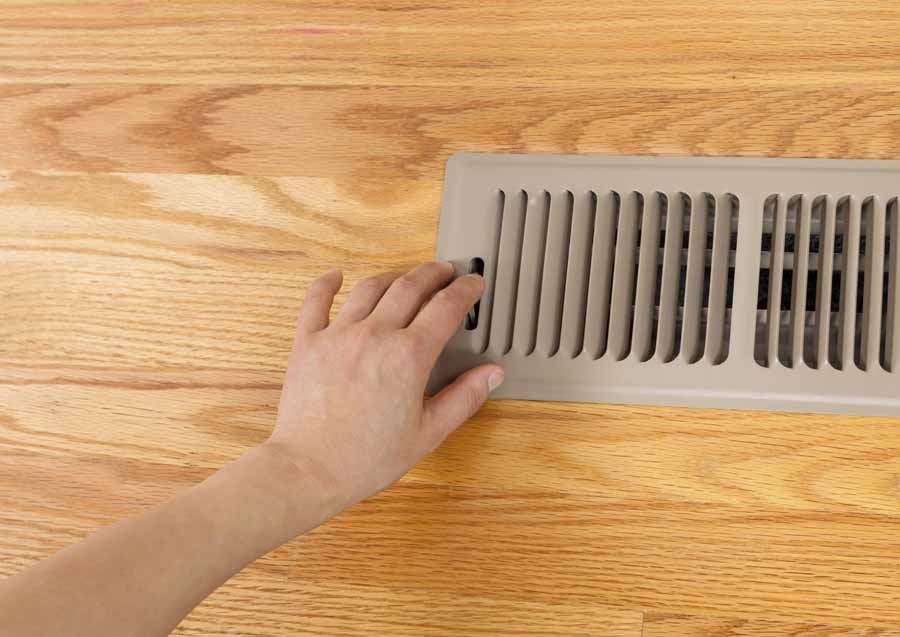
Improper airflow can cause pressure changes that pull cold air into walls, attics, and crawl spaces.
Moisture movement
Warm air carries moisture. As that air moves through the home and cools, condensation can form inside walls and ceilings.
Emergency heating choices
When primary systems fail, homeowners may turn to space heaters or fireplaces, increasing fire and electrical risks.
Delayed problem detection
During winter, people spend more time indoors and may not notice exterior issues until they become severe.
A heating system doesn’t operate in isolation. It affects airflow, humidity, and temperature throughout the home. When it’s pushed to its limits, every connected system feels the impact.
This is why winter heating issues often come with secondary problems that extend beyond the HVAC system itself.
Why Winter Issues Feel More Urgent Than Other Seasonal Problems?
There’s something about winter that amplifies stress. Cold affects comfort quickly. A house that drops a few degrees in summer may feel inconvenient. A house that drops a few degrees in winter can feel unlivable.
Shorter days, holiday schedules, and winter storms add to the pressure. Problems rarely happen at a convenient time. They show up late at night, during cold snaps, or when help feels harder to reach.
Emotion plays a role too. Cold affects mood and patience. A minor issue can feel overwhelming when the house is cold and the solution feels uncertain.
But most winter-related home problems follow patterns. They’re predictable, manageable, and often preventable with early attention.
Winter isn’t cruel. It’s honest. It shows you exactly where your home is strong and where it needs support.
A Word From Horne Heating and Air Conditioning Inc.
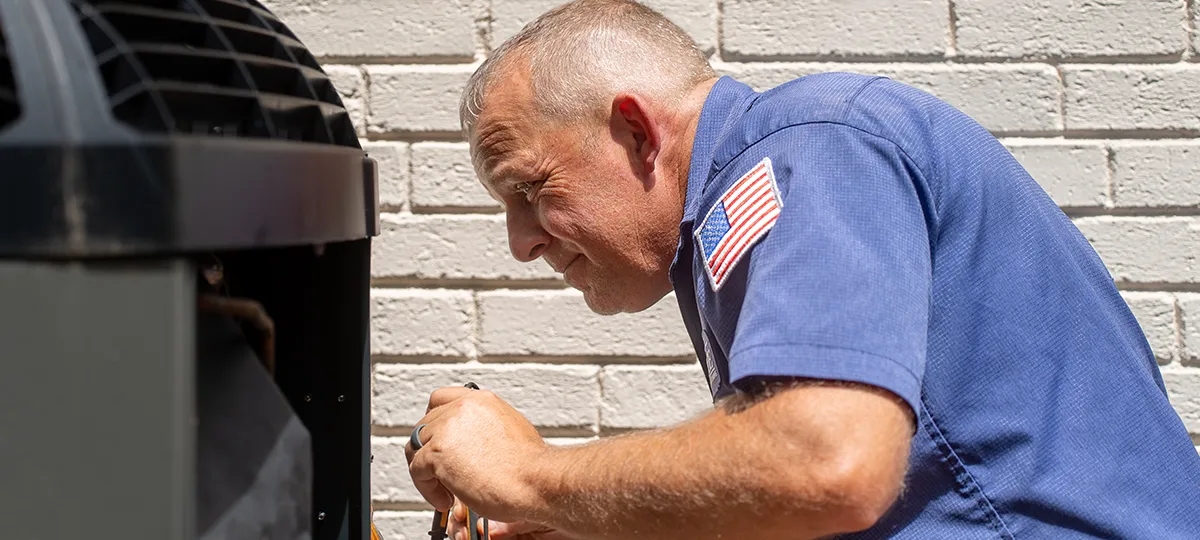
At Horne Heating and Air Conditioning Inc., we understand how winter puts homes to the test. Heating systems don’t just keep you comfortable. They protect your home from a chain reaction of cold-weather problems.
When Winter Pushes Your Home, We Help It Push Back
If your home feels like it’s working overtime this winter, that’s because it is. Uneven heating, unusual noises, rising energy bills, or lingering cold spots are signs worth paying attention to.
Horne Heating and Air Conditioning Inc. is here to help you stay ahead of winter stress. When the cold season challenges your home more than any other, we’re ready to help you keep it warm, protected, and comfortable all winter long.